
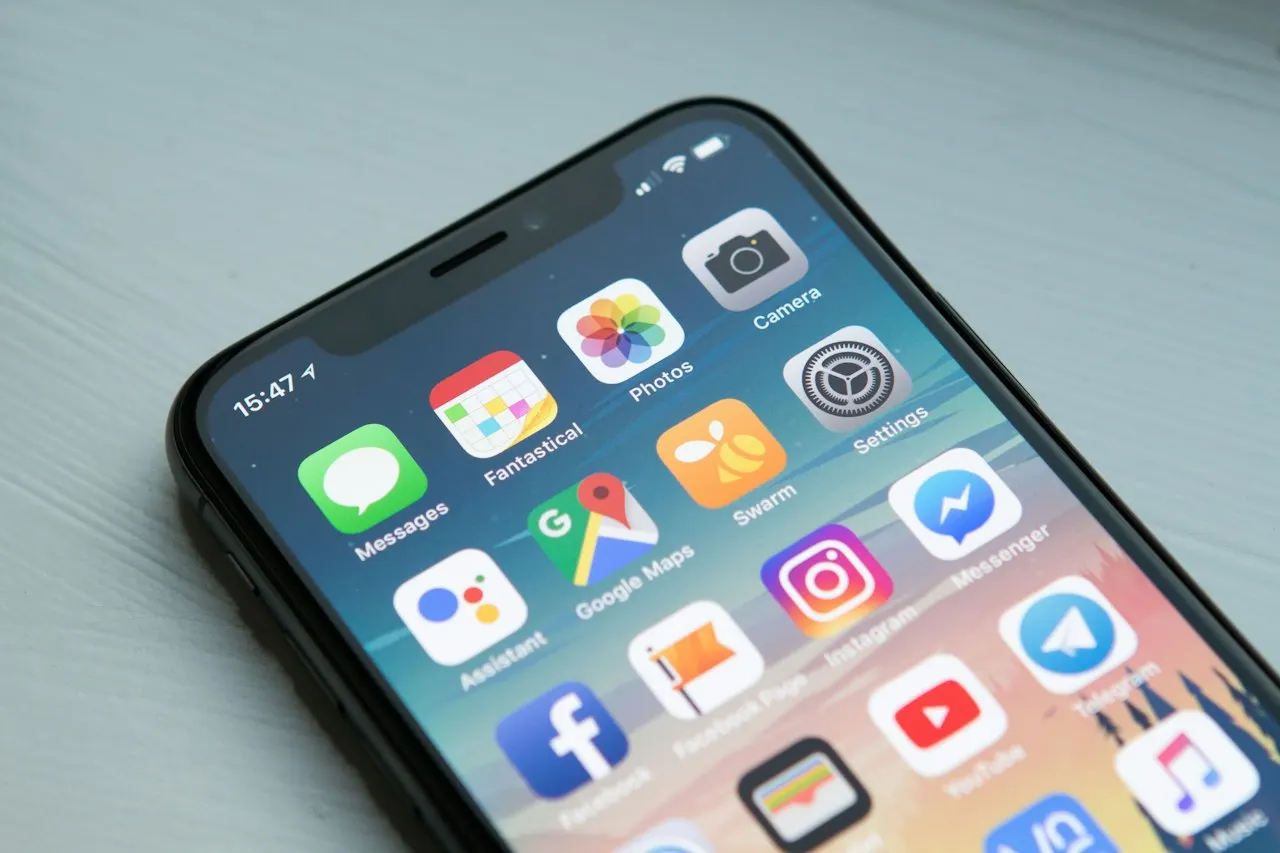
How much does it really cost to build an app? We break down the factors that influence pricing for iOS and Android.
Mobile App Development Cost in 2026 depends on several factors, including the features you need, the platforms you want to support, design, backend requirements, integrations, and ongoing maintenance.
A simple app with a few screens can be relatively easy to build, while an app with payments, live tracking, chat, AI, or multiple user roles can require significantly more development work.
That is why there is no single price for building a mobile app. The actual cost depends on what you want the application to do, who will use it, and how complex the technology needs to be.
How Much Does Mobile App Development Cost?
The cost mainly depends on the complexity of the application.
| App Type | Complexity | Common Features |
|---|---|---|
| Simple App | Low | Basic screens, login, simple content |
| MVP | Low to Medium | Core features for testing an idea |
| Medium App | Medium | APIs, payments, notifications, backend |
| Complex App | High | Real-time features, advanced integrations |
| Enterprise App | Very High | Multiple platforms, security, complex systems |
These are general categories rather than fixed prices. Two apps with a similar number of screens can require very different amounts of development work.
For example, a basic booking app is much simpler than a booking platform with live availability, payments, notifications, multiple vendors, and an admin dashboard.
What Goes Into Mobile App Development Cost?
Building an app involves more than writing code. Planning, design, development, testing, deployment, and maintenance all contribute to the final budget.
Planning and Discovery
Before development begins, the project requirements need to be clearly defined.
This includes identifying:
- Target users
- Business goals
- Required features
- Supported platforms
- Third-party integrations
- MVP requirements
Clear planning helps reduce unnecessary changes and rework during development.
UI/UX Design
The design determines how the application looks and how users move through it.
Depending on the project, this can include wireframes, prototypes, screen designs, navigation, and custom components.
A simple content app may need less design work than an e-commerce, marketplace, or enterprise application with multiple user flows.
App Development
Developers turn the approved designs into a working application.
Development may include:
- User registration and login
- Profiles
- Navigation
- APIs
- Payments
- Notifications
- Location services
- Data storage
- Device features
The amount of work depends on how these features need to function within the application.
Backend Development
Many mobile apps require a backend to manage users, data, business logic, and communication with external services.
Backend requirements may include:
- APIs
- Databases
- Authentication
- User permissions
- File storage
- Payment processing
- Notifications
- Admin dashboards
An app with real-time communication or thousands of users will generally require a more complex backend architecture.
Testing and Launch
Testing helps identify problems before users encounter them.
It can cover different devices, operating systems, APIs, payments, performance, security, and usability.
After testing, the application needs to be prepared and submitted to the relevant app stores.
Maintenance
Development does not end when the app is published.
Future work may include bug fixes, security updates, operating system compatibility, dependency updates, performance improvements, and new features.
These ongoing expenses should be considered when planning the overall budget.
Factors That Affect Mobile App Development Cost
Several factors can influence Mobile App Development Cost in 2026, from platform selection and backend requirements to integrations and security.
1. Features and Functionality
Features have a major impact on development effort.
| Feature | Typical Complexity |
|---|---|
| Login | Low |
| User Profile | Low |
| Push Notifications | Low to Medium |
| Payment Integration | Medium |
| Maps and GPS | Medium to High |
| Chat | High |
| Live Tracking | High |
| AI Integration | High |
| Multi-Vendor Marketplace | Very High |
These are only general guidelines. The actual effort depends on how each feature works within the complete application.
2. iOS, Android, or Both?
You may choose to develop for:
- iOS
- Android
- Both platforms
- Multiple platforms using cross-platform technology
Native development can be useful when an application requires high performance, advanced device features, or deep platform integration.
Cross-platform frameworks such as React Native and Flutter allow developers to share code between platforms and can reduce duplicated development work.
The right choice depends on the application's requirements rather than cost alone.
3. Backend Requirements
Backend complexity can increase when an application needs real-time updates, large amounts of data, complex APIs, user permissions, payments, or location services.
For example, a simple information app may require limited backend functionality, while a marketplace or delivery platform may need a complete backend system to manage users, orders, payments, and tracking.
4. Third-Party Integrations
Many applications connect with external services such as:
- Payment gateways
- Maps
- SMS and email providers
- Analytics platforms
- CRM and ERP systems
- AI services
- Social login providers
Each integration needs development, configuration, and testing, which can affect the overall project cost.
5. Security Requirements
Security requirements depend on the type of application.
An app handling payments or sensitive business information may require stronger security measures than a simple content application.
Depending on the project, security work can include secure authentication, encryption, access controls, API security, and vulnerability testing.
Native vs Cross-Platform App Development
Choosing the right development approach can affect both the initial budget and long-term maintenance.
Native Development
Native apps are built specifically for each operating system.
iOS applications commonly use Swift or SwiftUI, while Android applications commonly use Kotlin.
Native development can be useful when you need:
- High performance
- Advanced device features
- Deep platform integration
- Platform-specific functionality
Supporting both iOS and Android may require separate development work.
Cross-Platform Development
Frameworks such as React Native and Flutter allow developers to build applications for multiple platforms using a shared codebase.
This can be useful when you need both iOS and Android support while keeping development more streamlined.
However, some applications still require native code for specific functionality.
The best option depends on performance requirements, features, target platforms, timeline, and long-term maintenance.
Mobile App Development Cost by App Type
Different types of apps have different technical requirements.
E-Commerce App
An e-commerce app may include product listings, search, filters, shopping carts, payments, orders, customer accounts, and notifications.
Additional features such as subscriptions, loyalty programs, recommendations, or multiple sellers can increase complexity.
Booking App
A booking application may include service listings, availability, date selection, payments, cancellations, and reminders.
A simple appointment app will usually have fewer requirements than a large travel or hotel booking platform.
On-Demand App
Delivery, transportation, and home-service apps often involve multiple user types.
A typical platform may require:
- Customer app
- Service provider or delivery app
- Admin dashboard
- Location tracking
- Payments
- Notifications
- Order management
Marketplace App
A marketplace connects buyers and sellers, so it often requires separate account types, product management, orders, payments, reviews, messaging, and administration.
Enterprise App
Enterprise applications may need to connect with existing CRM, ERP, authentication, reporting, or internal business systems.
Security, permissions, scalability, and integration requirements can make these projects more complex.
How AI Features Affect App Development Cost
AI can add useful functionality to mobile applications, but the development effort depends on what the AI needs to do.
A simple chatbot using an existing AI API is very different from a customized recommendation system or AI workflow using business data.
AI development may involve:
- AI API integration
- Backend processing
- Data preparation
- Prompt design
- Response handling
- Usage monitoring
- Security
The exact requirements should be defined before estimating the additional development effort.
Additional Costs to Consider
The initial development quotation may not cover every expense associated with running an application.
Cloud and Hosting
Depending on usage, you may pay for servers, databases, storage, bandwidth, backups, and monitoring.
Third-Party Services
Payment gateways, maps, SMS, email, analytics, authentication, and AI services may have subscription or usage-based charges.
Maintenance
Operating system updates, security fixes, dependency updates, bug fixes, and performance improvements can create ongoing costs.
Future Development
After launch, user feedback may lead to new features, design improvements, additional integrations, or support for new platforms.
How to Control Mobile App Development Costs
You do not always need to remove important features to reduce costs. Instead, focus on building the right features first.
Start With an MVP
Identify the features users genuinely need and launch with those first.
Additional features can be added after you receive real user feedback.
Prioritize Features
Separate features into:
- Essential: Required for the first release
- Important: Useful but can come later
- Future: Ideas for later versions
This prevents the first version from becoming unnecessarily complex.
Define Requirements Clearly
Changing major requirements during development can increase both cost and timeline.
A clear scope helps developers provide a more accurate estimate and reduces unnecessary rework.
Choose Technology Carefully
Do not select a framework simply because it appears cheaper.
Consider performance, scalability, developer availability, platform support, and long-term maintenance.
How to Compare Mobile App Development Quotes
When comparing development companies, do not look only at the final price.
Check what each quotation includes.
| Area | Questions to Ask |
|---|---|
| Features | Are all required features included? |
| Design | Is UI/UX included? |
| Backend | Is backend development included? |
| Integrations | Are third-party integrations covered? |
| Testing | What testing is included? |
| Platforms | Which platforms are supported? |
| Deployment | Is app-store submission included? |
| Source Code | Who owns the source code? |
| Support | What support is provided after launch? |
| Maintenance | Is ongoing maintenance included? |
A lower quotation may simply include fewer services. Comparing the complete scope gives you a better idea of the actual value.
Frequently Asked Questions
How much does it cost to develop a mobile app in 2026?
There is no fixed cost. The final amount depends on features, platforms, design, backend, integrations, security, testing, and the development approach.
What has the biggest impact on app development cost?
Feature complexity and backend requirements are major factors. Real-time functionality, payments, AI, multiple user roles, and advanced integrations can increase development effort.
Is cross-platform development cheaper than native development?
It can be, especially when the app needs both iOS and Android versions. However, the best approach depends on the application's technical requirements.
How long does it take to build a mobile app?
The timeline depends on the scope. A focused MVP can be completed faster than a complex application with multiple platforms and integrations.
Are there ongoing costs after an app is launched?
Yes. Hosting, third-party services, maintenance, security updates, and future development can create ongoing expenses.
How can I reduce mobile app development costs?
Start with an MVP, prioritize essential features, define requirements clearly, select suitable technology, and avoid unnecessary functionality in the first release.
Conclusion
There is no universal price for building a mobile app. The final cost depends on the product you want to build and the technical requirements behind it.
When estimating Mobile App Development Cost in 2026, businesses should consider both the initial development budget and the ongoing cost of maintaining the application.
Before starting, define your target users, core features, platforms, integrations, and long-term goals. Starting with a focused MVP can help control the initial investment while giving you room to improve the product based on real user feedback.
Planning a mobile app? Anraone can help you turn your idea into a practical development plan based on your business requirements, features, platform, and long-term goals.